
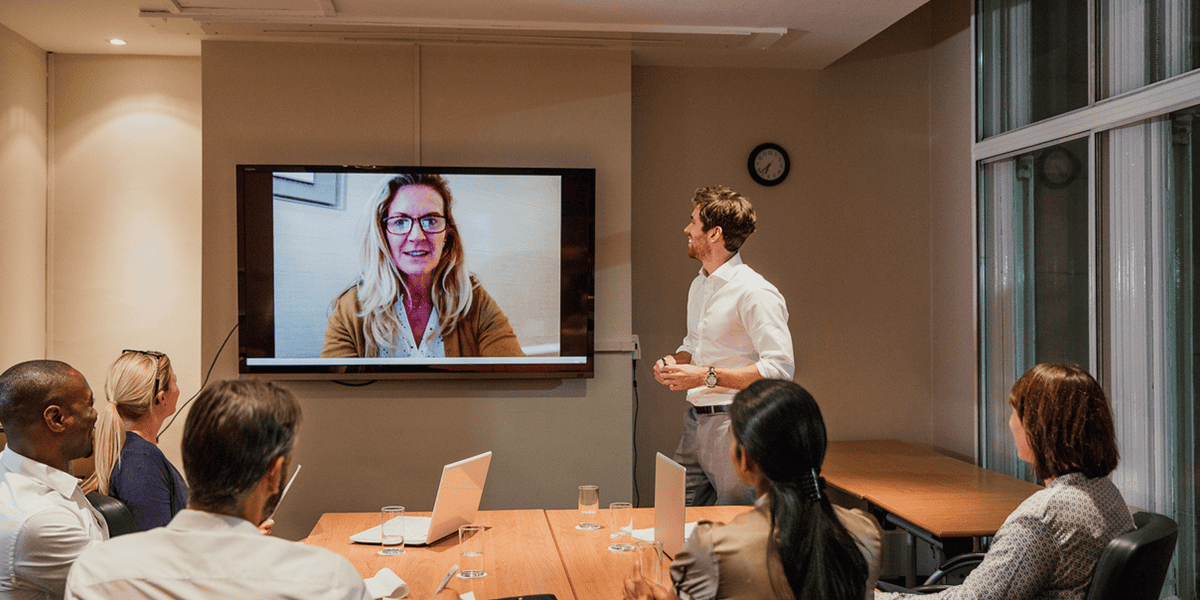
Hybrid meetings are now the default for most Portland businesses, yet the majority still feel clunky, exhausting, and frankly unfair to half the participants. Everyone has been there: the remote team squints at a blurry slide, the in-room voices boom while virtual ones disappear, someone spends ten minutes troubleshooting while the agenda burns. These aren’t small annoyances; they erode trust, slow decisions, and quietly cost thousands in lost productivity every quarter.
The hard truth is that hybrid meetings don’t fail because of bad intentions or untrained staff. They fail because most companies treat AV as a checkbox instead of a strategic partnership. At Pixthis Stage Rentals and Productions, we’ve spent 40 years solving exactly these problems with AV rentals in Portland that are purpose-built for hybrid work. Here’s why most setups fall short, and how the right partner turns frustration into flow.
The Gap Between Expectation and Reality
The gap between expectation and reality in hybrid meetings is widening. Leaders want the flexibility of remote participation, but they also want the energy and speed of in-person collaboration. Built-in laptop cameras, hotel conference-room speakers, and free Zoom accounts simply cannot deliver both at once.
A 2024 study from Owl Labs found that 68 % of employees say poor hybrid tech is the number-one reason meetings feel unproductive. When remote attendees struggle to hear or be heard, they disengage. When in-room participants dominate because the camera only shows the loudest voice, resentment grows. Over time, these micro-frustrations compound into lower morale, slower decisions, and missed opportunities.
The fix isn’t more software licenses; it’s professional-grade AV deployed by people who understand both technology and human behavior.
The Invisible Ceiling of Consumer-Grade Gear
Most companies start hybrid with whatever came in the box: the conference-room TV, a single webcam on a shelf, and the TV’s built-in speakers. That setup might work for an all-remote happy hour, but it collapses under real business pressure.
Consumer microphones pick up the HVAC before they pick up the soft-spoken CFO. Wide-angle webcams make the people at the far end of the table look like postage stamps. Ceiling speakers create echo that makes remote voices sound like they’re calling from a tunnel. These limitations aren’t flaws in execution; they’re physical laws that no software update can overcome.
We see this every week. A well-meaning office manager orders a $300 conference cam and a Bluetooth speaker bar, thinking the job is done. Three months later the leadership team is back to “everyone dial in separately” because the hybrid experience became worse than fully remote.
The gear hits its ceiling fast, and the hidden costs pile up: wasted meeting time, duplicated follow-up calls, and the quiet perception that the company isn’t serious about inclusion. Professional AV rentals in Portland eliminate that ceiling with tools designed for the exact acoustics, lighting, and sightlines of real conference rooms.
The Audio Problem Nobody Talks About (But Everyone Feels)
Bad audio is the single biggest hybrid killer. Humans can forgive a slightly pixelated face, but we cannot forgive not being heard or not hearing. Yet most hybrid rooms still rely on a single microphone in the center of the table or, worse, the laptop mic at one end.
The result is the dreaded “dominance effect” the people closest to the mic dominate while everyone else gets drowned in room noise or echo.
A proper hybrid audio chain starts with multiple ceiling or tabletop microphones zoned to cover every seat evenly, runs through a digital signal processor that kills echo and background noise, and feeds clean stems into the conferencing platform. Add automatic voice-activated camera switching, and suddenly remote participants see whoever is speaking instead of a static wide shot of the credenza.
This isn’t exotic; it’s standard in every Pixthis hybrid package. The difference in participation and energy is immediate and unmistakable.

The Camera Trap – When “Good Enough” Video Silently Excludes
One fixed webcam creates a caste system: front-row attendees look engaged and professional, back-row attendees become tiny heads, and anyone standing at a whiteboard disappears entirely. Remote participants quickly learn they are second-class citizens and stop contributing.
We fix this with PTZ (pan-tilt-zoom) cameras that follow the active speaker or with wide-and-tight camera pairs that give the director (or AI) options.
The result is equity: every voice gets a face, every idea gets screen time, and remote team members stay in the conversation instead of checking Slack.
Bandwidth, Lighting, and the Hundred Little Things That Break Trust
Even with perfect cameras and mics, hybrid collapses when the internet stutters, when conference-room lights wash out faces, or when the presenter’s laptop decides that’s the moment to install updates.
These are the hundred little things that consumer setups can’t solve and most IT teams don’t have time to babysit.
A professional AV partner brings dedicated encoding appliances, wired backhaul when possible, cellular failover, and on-site technicians who test everything an hour before the CEO walks in.
We also control the room environment: bias lighting behind monitors, adjustable LED panels that keep faces naturally lit instead of ghostly. These details are invisible when done right and painfully obvious when ignored.
The Hidden Productivity Tax of “We’ll Figure It Out Ourselves”
Companies that try to own and manage hybrid AV in-house face a brutal reality: the total cost of ownership quickly exceeds renting from specialists. Gear depreciates, firmware becomes obsolete, cables get lost, and the one person who knew how to set it up leaves for a new job.
Meanwhile, every minute spent troubleshooting is billed at executive hourly rates.
When we run the numbers for Portland clients, switching to managed AV rentals in Portland with on-site support typically pays for itself in under four months through reclaimed meeting time alone. After that, it’s pure profit in productivity and employee satisfaction.
Why Most AV Vendors Still Miss the Mark
Not all professional AV is created equal. Many traditional rental houses treat hybrid meetings like mini concerts: big PA, bright lights, zero understanding of conferencing psychology. Others are IT resellers who can sell you a $15,000 fixed install but can’t strike it at 5 p.m. when the room is needed for something else tomorrow.
Pixthis sits in the sweet spot: we rent, deliver, set up, support, and strike the exact package your meeting needs, then take it away when you’re done. No capital expense, no storage, no 2 a.m. firmware emergencies.
Real Results Our Portland Clients See Every Week
- Daily leadership huddles that used to run 45 minutes now finish in 28 because no one is repeating themselves.
- Remote engineers who used to stay quiet now jump in because they can actually hear and be heard.
- Quarterly board meetings with offshore investors that feel as connected as if everyone were in the same room.
- Sales demos where the client on the screen sees the prototype in perfect 4K while the in-room team manipulates it in real time.
- Town halls where the CEO can read facial expressions from employees dialing in from home and adjust tone on the fly.
These aren’t edge cases; they’re Tuesday for companies that partner with us.
The Partner Checklist – What to Demand
- Equipment designed for conferencing 20 years ago vs. equipment designed this year for hybrid.
- “Here’s your boxes, good luck” vs. full delivery, setup, rehearsal, and on-site technician.
- Fixed installs you’re stuck with vs. scalable rentals that grow or shrink with headcount.
- Billing by the item vs. simple flat-day or monthly rates with no surprises.
- 9-to-5 phone support vs. a tech who already knows your room and has the CEO’s cell for emergencies.
Make Hybrid Your Advantage, Not Your Liability
Hybrid isn’t going away. The companies that treat it as a strategic advantage instead of a necessary evil are the ones pulling ahead in talent retention, decision speed, and client perception.
The difference almost always comes down to one decision: do you keep fighting consumer gear and hope for the best, or do you bring in a partner who has solved these problems hundreds of times before?
At Pixthis Stage Rentals and Productions, we’ve made hybrid meetings feel effortless for Portland’s fastest-growing companies and most established brands. Whether you need a recurring package for your main conference room or a one-day executive offsite, we have the inventory, the crew, and the obsessive attention to detail that turns “good enough” into “remarkably better.”
Ready to stop apologizing for your hybrid setup and start bragging about it?
Call us at (503) 235-3456 or email info@pixthis.com